South Korea Opens Anti-Dumping Probe into Chinese Seamless Pipes
South Korea’s Trade Commission opened an anti-dumping investigation into seamless steel pipes from China on 8 October 2026, following a petition by Iljin Steel. Materials published on 12–15 October brought the case’s product scope and investigation process into wider view. The proceeding is still underway: the public case record shows no final dumping or injury finding and no duty currently imposed.
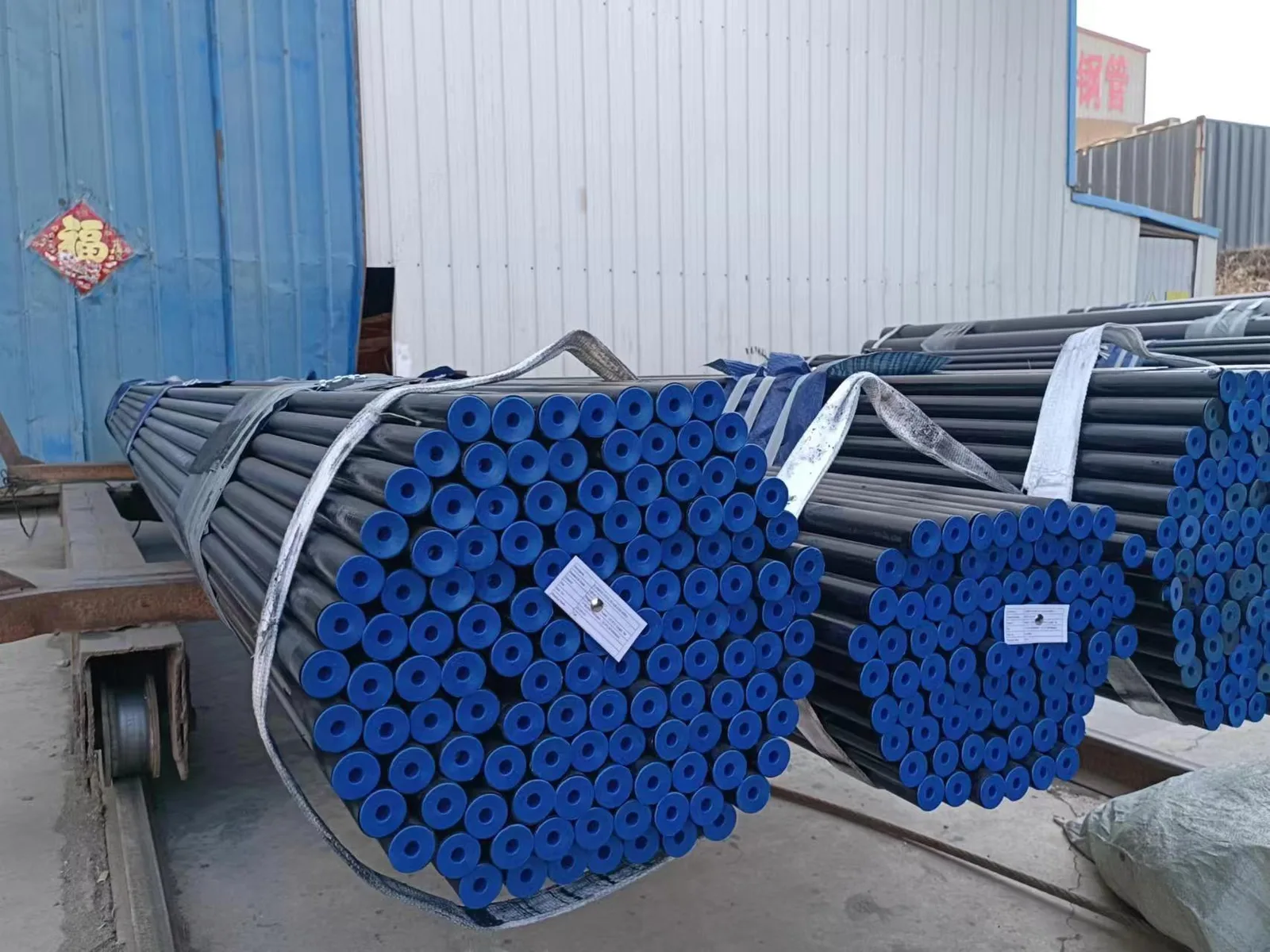
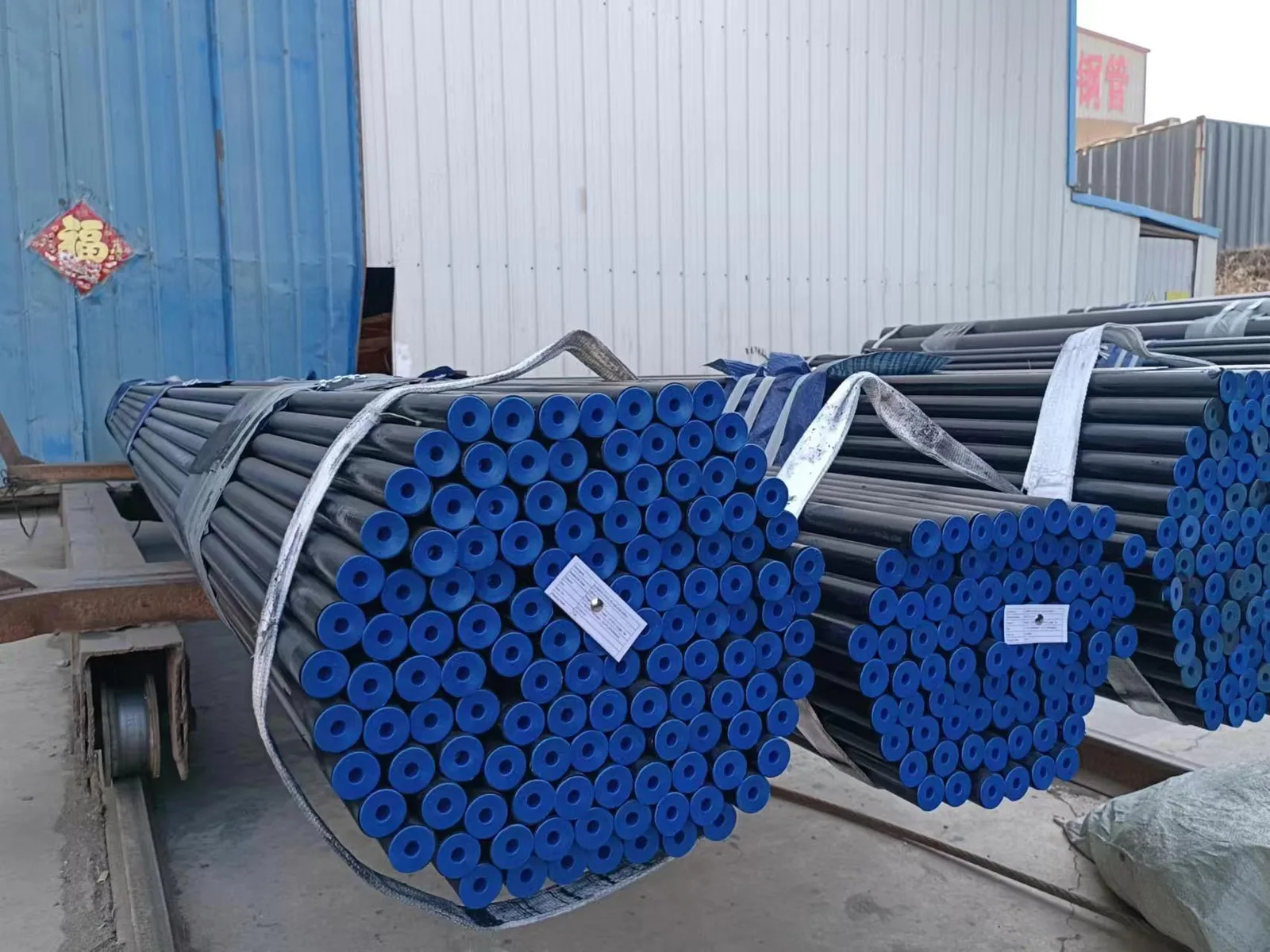
Cover photo: bundled seamless steel pipes with blue end caps, resized and converted for this page. Credit: Seamless Steel Pipes (via Wikimedia Commons); licence CC BY-SA 4.0; original file page. The photo is not connected to the case, Iljin Steel or any sampled supplier.
The case remains an investigation, not a tariff order
The Korea Trade Commission lists the case as No. 23-2026-9 and shows it as under investigation. Notice 2026-16 says the Commission initiated the proceeding on 8 October after Iljin Steel filed its petition on 5 August. Seoul Economic Daily’s 15 October report also describes the action as an investigation into alleged dumping and injury. The initiation itself is not a finding that dumping occurred, that Korean producers were injured, or that imports are now subject to a new duty.
Which seamless pipes are covered
The notice describes seamless pipes made from round billet by piercing and hot rolling, originating in China. It lists several HSK 7304 classifications and says the scope is not limited by alloy content, diameter, wall thickness, length, tensile strength or elongation. The listed tariff codes are indicative; the notice allows the product scope to be adjusted in light of physical and chemical characteristics and use.
Stainless steel pipe is excluded. So are casing, tubing and drill pipe used in crude oil and natural-gas production.
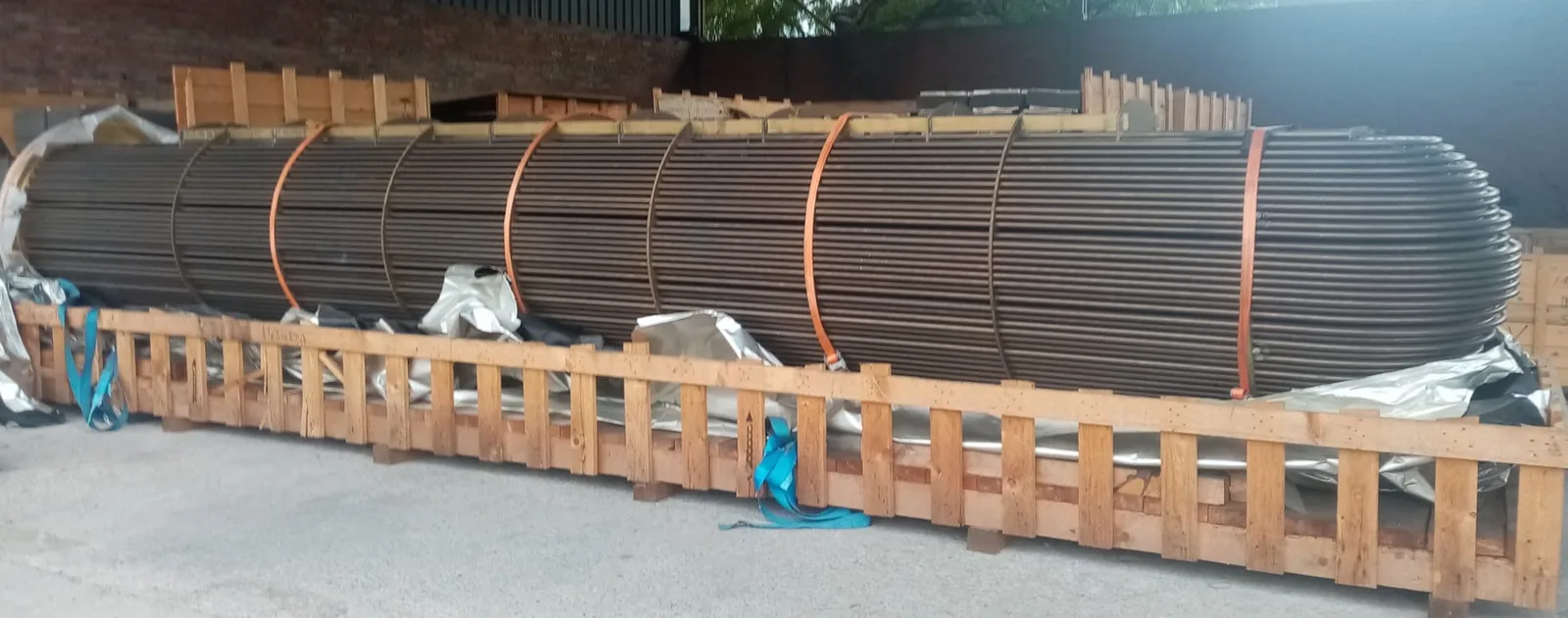
Image: shell-and-tube heat-exchanger tube bundle before assembly, resized and converted for this page. Credit: Harald the Bard (via Wikimedia Commons); licence CC BY-SA 4.0; original file page. It illustrates heat-exchanger tubes only and is unrelated to the Korean investigation. That distinction matters for buyers comparing covered boiler, heat-exchanger, mechanical or line-pipe products with stainless or oil-and-gas production OCTG. Xbang’s existing pages describe carbon steel pipe products and boiler and heat-exchanger tubes; a separate guide explains the difference between seamless and welded pipe.
Investigation periods and named respondents
The notice sets the dumping investigation period as 1 January through 31 December 2025, and the domestic-industry injury period as 1 January 2021 through 31 December 2025, subject to the adjustments described in the notice. It names three sampled Chinese suppliers for the dumping inquiry: DAYE SPECIAL STEEL CO., LTD.; TIANJIN PIPE INTERNATIONAL ECONOMIC & TRADING CORPORATION; and HENGYANG VALIN STEEL TUBE CO., LTD. Their selection as respondents is not a finding against them or all Chinese producers.
The notice schedules the preliminary investigation within three months of the relevant Gazette publication and the full investigation within three months after the preliminary results are submitted. It also allows extensions under Korean customs rules. Because those provisions permit changes, buyers should follow the official case record rather than treat a projected date as a final-decision deadline.
What importers and pipe buyers should monitor
Importers supplying the South Korean market can compare the notice’s product definition, origin and intended-use exclusions against their own specifications and customs classifications. They should also watch for Commission notices that clarify scope, request information, or publish preliminary findings. Those are practical monitoring steps, not evidence of an immediate change to prices, availability or access to the Korean market.
The case concerns seamless pipe from China. It should not be generalized to welded pipe, stainless pipe, excluded production OCTG, or global seamless-pipe demand. Any later duty would depend on findings and a subsequent decision; the current initiation notice does not impose one.