CBP Finds Chinese Seamless Pipe Evaded Duties via Thailand
US Customs and Border Protection has determined that five importers evaded antidumping and countervailing duties on Chinese seamless carbon and alloy steel standard, line and pressure pipe (SLP pipe) and oil country tubular goods (OCTG) by routing the goods through Thailand. The determination in EAPA Consolidated Case 8222, dated 23 September 2026 and published on 2 October 2026, is the fourth such finding by CBP on the same China-to-Thailand route since early 2025.
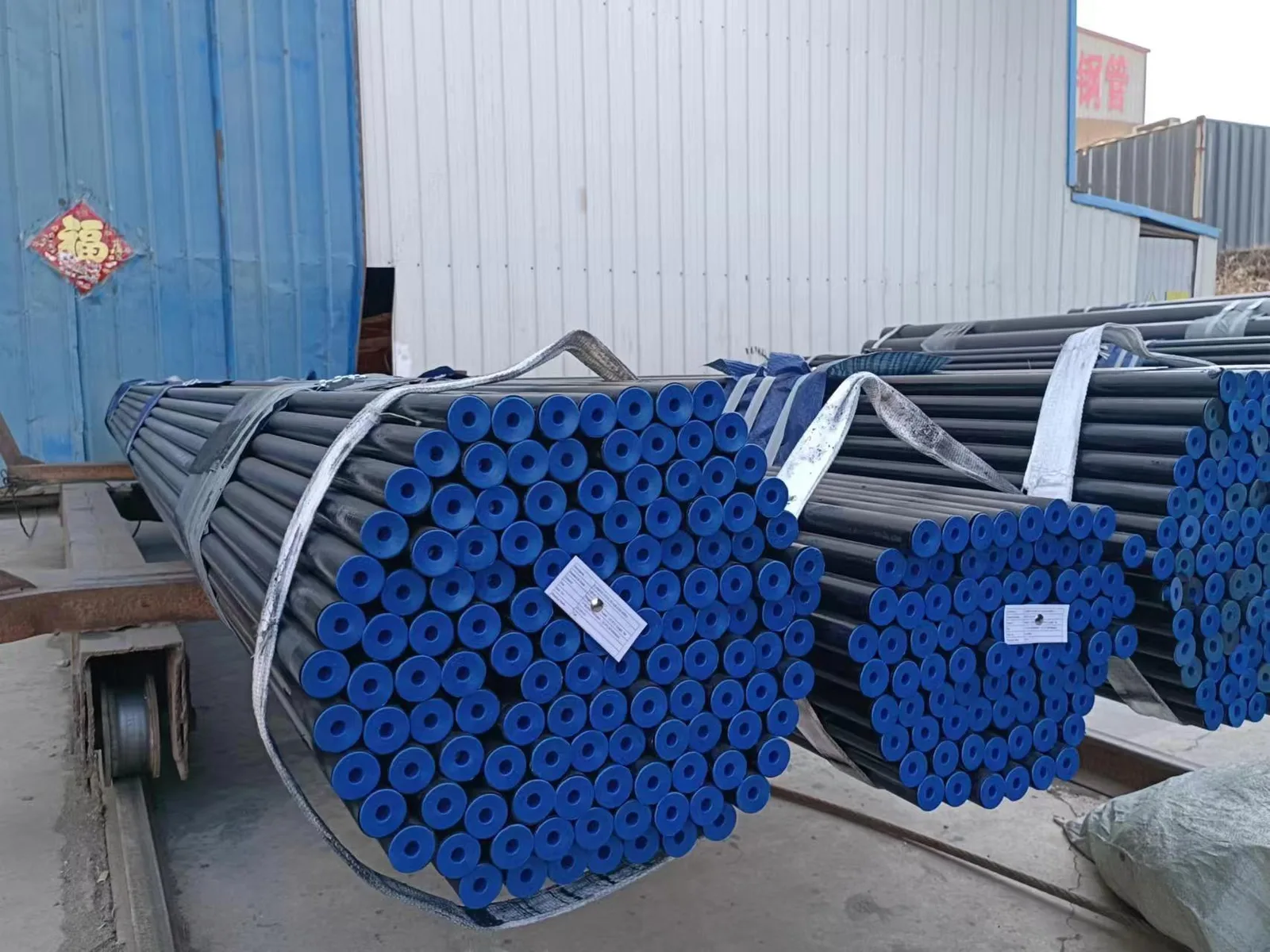
Cover photo: bundles of seamless steel pipe with blue end caps. Credit: Seamless Steel Pipes (via Wikimedia Commons), CC BY-SA 4.0, File:Seamless Steel Pipes.jpg; licence CC BY-SA 4.0; original file page. The photo is a stock illustration and is not connected to any importer named in the case.
What CBP found, and against whom
The applicants were Vallourec Star, L.P.; BENTELER Steel/Tube Manufacturing Corp.; and Tenaris Bay City, Inc. — all domestic producers of seamless SLP pipe. CBP found substantial evidence that Excellent Sharp Inc., VASS Pipe and Steel, Haylier International Limited and Marmon/Keystone LLC had been entering SLP pipe from China by transshipment through Thailand without declaring it subject to antidumping order A-570-956 and countervailing duty order C-570-957. Separately, it found that Tejas Tubular Products, Inc. had been entering Chinese OCTG through Thailand without declaring it under orders A-570-943 and C-570-944.
The published notice describes the entries as covered merchandise entered for consumption “by transshipment and in some instances misclassification.” A finding of evasion is a customs determination about specific entries; it is not a criminal conviction, and the notice does not state any sum recovered.
The enforcement actions now in force
CBP’s stated response is procedural but consequential for cash flow. It will suspend, or continue to suspend, the entries covered by the investigation until it is instructed to liquidate them. For entries already extended under the interim measures ordered when the case was opened, CBP will revise the entered values and keep them suspended until liquidation instructions arrive. The agency also said it may evaluate the importers’ continuous bonds under its bond policies.
In practice, that means entries can sit unliquidated for an extended period while CBP works out the duty owed, and a bond review can force higher security on future shipments. The case opened on 25 February 2026 with live entry, suspension of liquidation and bond scrutiny as interim measures, so the October determination closes a process that had already been constraining those importers for eight months.
Why this is a pattern, not a single case
The same three producers have now prevailed repeatedly on the same trade lane. In EAPA Consolidated Case 8164, determined on 16 March 2026, CBP found that Amek Aluminum & Stainless, American Pipe Products, GY Fleet, Leadtop Inc. / GME Trade Ease Inc. and USA Lee Long Inc. entered Chinese-origin OCTG and SLP pipe through undervaluation, misclassification and transshipment through Thailand.
The 8164 decision also records the earlier layer: on 24 February 2025, CBP had already determined in EAPA investigation 7890 that Amek and several other importers entered Chinese-origin OCTG transshipped through Petroleum Equipment (Thailand) Co., Ltd., known as PET.
A third case, EAPA Consolidated Case 8143, was determined on 29 June 2026 against Commercial Steel Products LLC and JOL Tubular, Inc. for Chinese-origin OCTG transshipped through Thailand, on an application by the U.S. OCTG Manufacturers Association.
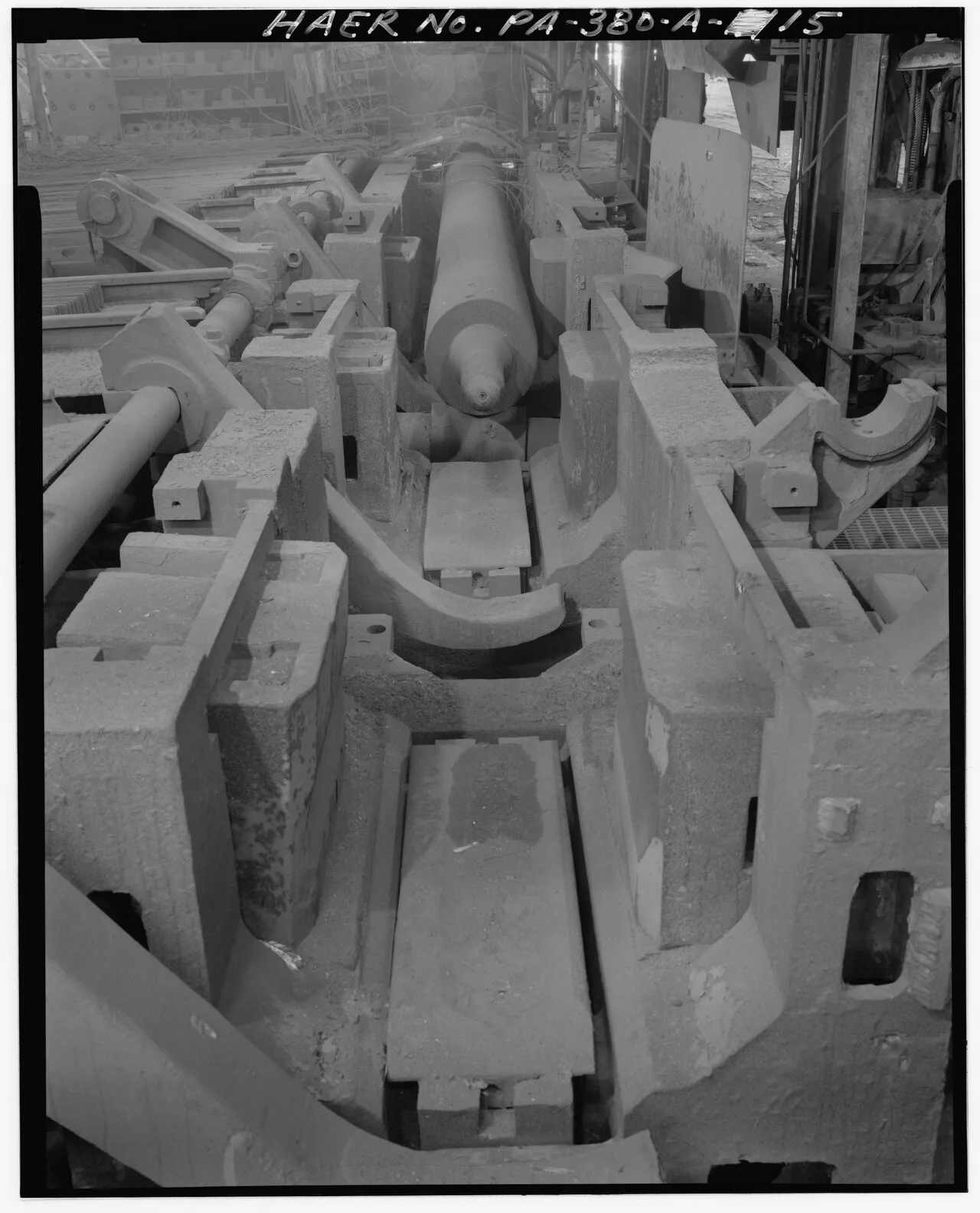
Image: rotary roller mandrel of the No. 2 seamless line at the U.S. Steel National Tube Works, a Historic American Engineering Record photograph. Credit: Martin Stupich (HAER, U.S. National Park Service) via Wikimedia Commons, public domain, File:Rotary roller mandrel of the No. 2 seamless line (U.S. Steel National Tube Works); licence public domain; original file page. It illustrates seamless pipe production and is unrelated to the case.
The 2024 origin of this lane is documented in the applicant association’s own account: on 23 May 2024, CBP found reasonable suspicion that PET and Thai Oil Pipe Co., Ltd. were transshipping OCTG produced in China and declaring it Thai-origin, naming ten US importers and citing the China-wide antidumping rate at 99.14 percent.
Market context: less OCTG coming in, more standard pipe
The enforcement has landed against a shifting import mix. Preliminary census data reported by SteelOrbis show US OCTG imports at 112,661 t in August 2026, down 25.0 percent month on month and 19.1 percent year on year, with Korea the largest source at 44,845 t. Standard pipe imports in the same month were 71,472 t, up 14.7 percent month on month and 18.7 percent year on year, led by the UAE at 16,225 t, then Vietnam, Canada, Korea and Turkey. Average OCTG prices in the US were up 17 percent year on year in September.
Read together, those numbers suggest that the duty-driven squeeze shows up most clearly in OCTG while standard pipe arrivals have been recovering from other origins. The figures are preliminary and revisable, and they measure country of origin as declared, not origin as finally determined in an evasion case.
The wider policy backdrop is not static either. Canada’s trade tribunal lifted anti-dumping duties on Ukrainian pipe in October while extending measures covering Taiwan, India, Indonesia, Korea, Thailand, Turkey and Vietnam; Thailand’s Customs Department said on 26 October that it would review steel tariff lines item by item rather than raise them in one step, and would examine ACFTA preferences that hold many imports at 0–5 percent. Separately, US authorities continued the OCTG orders on five countries and opened new seamless pipe investigations on Georgia and India.
For buyers, the practical link between the tariff picture and product selection is specification, not geography: ASTM A106 carbon steel pipe and API 5L line pipe sit in the same statistical basket as the SLP pipe covered by A-570-956, while casing and tubing falls under the OCTG orders. A separate guide explains how to buy seamless steel pipe from China with an auditable origin file.
What importers should verify before the next shipment
Four checks matter more after this determination than before it.
First, origin evidence should describe production, not shipment. A mill test certificate, a producer’s heat numbers and a manufacturing-site audit carry more weight than a certificate of origin issued at the port of loading. In the 8164 record, importers who could not document Thai production of the goods were found to have evaded.
Second, the declared manufacturer identity should survive scrutiny. Where the entity named on the entry summary differs from the entity on the mill certificate, the discrepancy is itself a risk factor.
Third, valuation and classification deserve a second look on any SLP pipe entry. CBP has used undervaluation and misclassification findings in this same lane, and corrections made voluntarily before a determination are treated differently from corrections forced by one.
Fourth, bond capacity should be sized for suspension, not for ordinary liquidation timing. An entry that cannot be liquidated for months consumes bond headroom that may be needed for the next shipment.
None of this constitutes legal advice, and none of it predicts what CBP will do on a particular entry. The determination covers specific importers and specific entries; other shippers of Chinese-origin seamless pipe are not covered by it, but they operate in a lane that has now produced four adverse findings in twenty months.
Sources
- CBP — EAPA Cons. Case 8222, Notice of Determination as to Evasion (2 October 2026)
- CBP — EAPA Cons. Case 8222, Notice of Initiation and Interim Measures (25 February 2026)
- CBP — EAPA Cons. Case 8164, Notice of Determination as to Evasion (16 March 2026)
- CBP — EAPA Cons. Case 8164, public version of the determination (PDF)
- CBP — EAPA Cons. Case 8143, Notice of Determination as to Evasion (29 June 2026)
- CBP — EAPA Notices of Action index
- Enforcement NOW — Government Announcements & Special Reports
- PTC Steel / USOMA — U.S. Customs Finds Evasion by Thai Exporters of AD/CVD Duties on OCTG From China
- SteelOrbis — US standard pipe imports up 14.7 percent in August 2026 from July
- SteelOrbis — US OCTG imports down 25.0 percent in August 2026 from July
- SteelOrbis — US OCTG exports down 13.4 percent in August 2026 from July
- GMK Center — Average prices for OCTG pipes in the US rose by 17% y/y in September
- GMK Center — Canada has lifted anti-dumping duties on imports of pipe products from Ukraine
- Tencent News — Thai Customs says it will not raise steel import tariffs in one step (26 October 2026)
- Jiangsu fair-trade platform — Thailand’s anti-circumvention final ruling on Chinese hot-rolled plate
- Federal Register 2026-21530 — OCTG continuation of orders
- Federal Register 2026-21458 — Seamless SLP pipe from Georgia and India, institution of investigations
- trade.gov — Commerce secures win on first EAPA filing