How to Buy Seamless Steel Pipe from China: Complete Buyer's Guide 2026
China produces over 30 million tons of seamless steel pipe annually and exports to more than 100 countries. For international buyers, sourcing directly from Chinese mills or trading companies can cut costs by 15–30% compared to domestic distributors — but only if you know how to navigate the market. This guide covers everything from understanding supplier types to verifying quality and avoiding common pitfalls.
Understanding the Chinese Seamless Pipe Market
Why China Dominates Global Supply
China accounts for roughly half of global seamless pipe production. The concentration of raw material supply, manufacturing capacity, and port infrastructure gives Chinese producers a structural cost advantage. Major production clusters include Tianjin, Shandong (Liaocheng, Binzhou), Jiangsu, and Hebei provinces.
Types of Suppliers
Not every company listing “seamless steel pipe” on Alibaba is a manufacturer. Understanding the supply chain helps you choose the right partner:
| Supplier Type | What They Are | Pros | Cons |
|---|---|---|---|
| Integrated mills | Own the full production line from billet to finished pipe | Direct pricing, consistent quality, full MTC traceability | Higher MOQ, longer lead times |
| Trading companies | Buy from multiple mills and resell | Flexible MOQ, wide product range, faster delivery from stock | Less control over source mill, potential quality inconsistency |
| Trading + warehousing | Trading companies with bonded warehouse stock | Immediate availability, sample-ready | Premium pricing, limited to stock sizes |
| Agents/brokers | Middlemen connecting buyers to mills | No upfront cost to buyer | Commissions baked into price, less transparency |
Practical tip: For first-time buyers or orders under 100 tons, a reputable trading company with warehouse stock is often the safest entry point. For repeat orders above 200 tons, going directly to a mill improves both price and traceability.
How to Evaluate and Verify Suppliers
The 10-Point Supplier Checklist
Before placing any order, verify the following:
- Business license — confirm the company is legally registered (check via China’s National Enterprise Credit Information Publicity System)
- ISO 9001 certification — minimum quality management standard
- Product-specific certifications — API monogram for API 5L/5CT, CE/PED for European market, TÜV for German clients
- Production capacity — monthly output in tons; mills should produce 3,000+ tons/month for seamless pipe
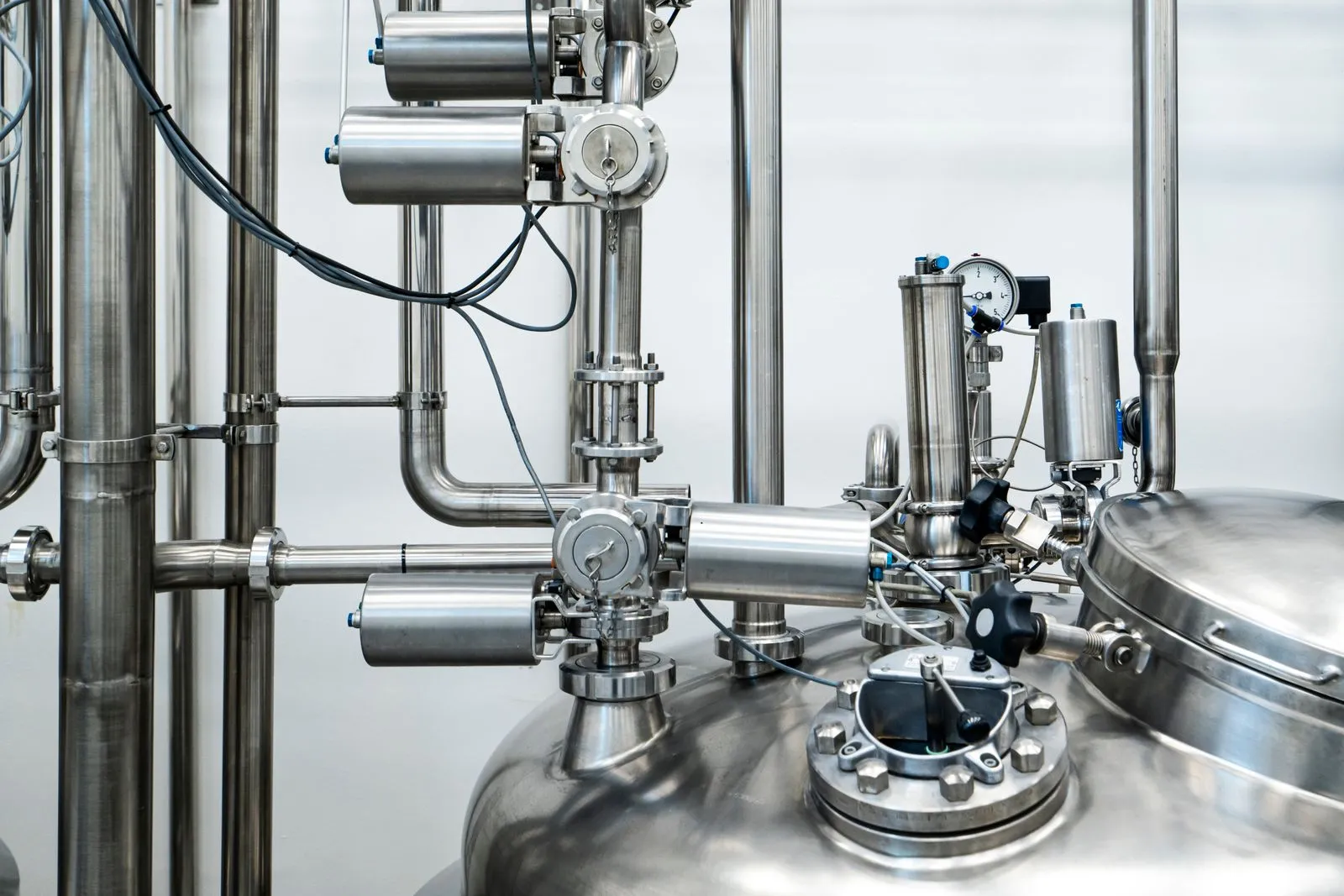
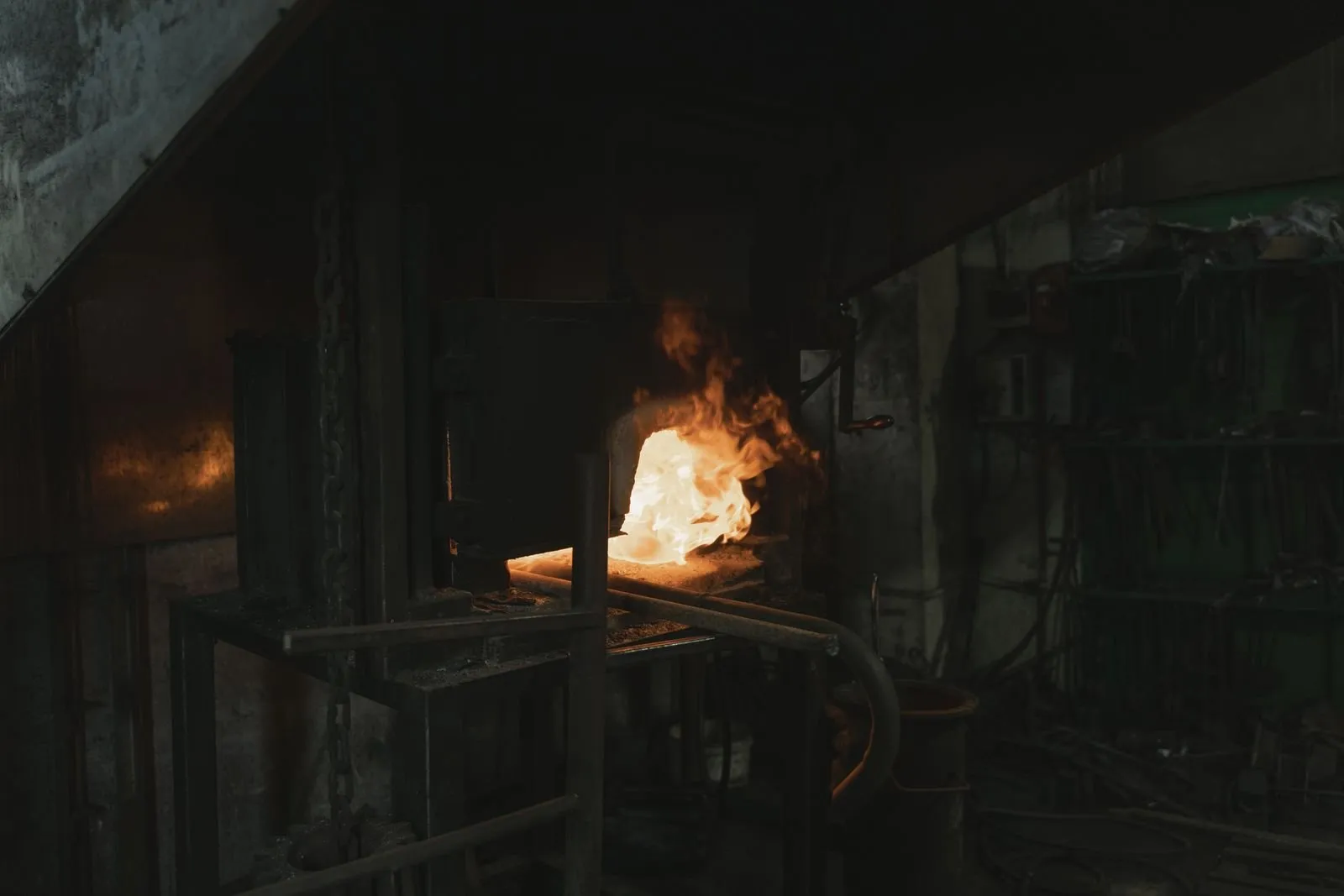
- Equipment list — ask for photos/videos of hot rolling lines, cold drawing machines, heat treatment furnaces, and testing equipment
- Recent mill test certificates — request 3–5 recent MTCs for the same grade you’re buying
- Export history — ask for B/L copies or shipping records to your region
- Customer references — request contact details of 2–3 existing clients in similar markets
- Factory visit — either in person or via third-party inspection company (SGS, BV, TÜV)
- Communication responsiveness — reply within 24 hours with detailed answers to technical questions
Red Flags to Watch For
- Price dramatically below market average (more than 15% below)
- Unwillingness to provide factory photos or third-party inspection access
- No physical factory address or only a trading office
- Requesting 100% payment upfront via Western Union or cryptocurrency
- Inability to provide recent MTCs or test reports
- Pushing “similar” or “equivalent” grades instead of the specified standard
Understanding Seamless Pipe Pricing
What Drives the Price
Seamless pipe prices vary based on several factors:
| Factor | Impact on Price |
|---|---|
| Material grade | Higher grades (API 5L X70, A335 P22) cost 20–40% more than basic carbon steel |
| Manufacturing method | Cold-drawn pipes cost 10–30% more than hot-rolled due to tighter tolerances |
| Wall thickness | Thicker walls = more material = higher price per meter |
| Surface treatment | Galvanizing, FBE coating, or 3PE add $50–200/ton |
| Certification level | EN 10204 3.2 costs more than 3.1; third-party inspection adds fees |
| Order quantity | Larger orders unlock volume discounts (typically 3–8% for 500+ tons) |
| Market timing | Steel billet prices fluctuate; Q1 is often cheaper than Q3 |
Price Ranges to Expect (2026 Reference)
| Material | Standard | FOB China Price Range |
|---|---|---|
| Carbon steel seamless | ASTM A106 / GB/T 8163 | $580–780/ton |
| Line pipe | API 5L (X42–X60) | $720–950/ton |
| High-strength line pipe | API 5L (X65–X70) | $850–1,050/ton |
| Alloy steel | ASTM A335 (P11–P22) | $1,000–1,400/ton |
| Stainless steel | ASTM A312 (304/316L) | $3,500–5,500/ton |
Note: These are indicative FOB prices. Actual prices depend on size, wall thickness, quantity, and current market conditions.
How to Compare Quotes
When you receive quotations from multiple suppliers, compare like-for-like:
- Same Incoterm — all FOB, or all CIF to the same destination port
- Same specification — exact grade, OD, WT, length, and end finish
- What’s included — MTC, packing, marking, third-party inspection
- Payment terms — 30/70 T/T vs. L/C affects the real cost
- Lead time — faster delivery may mean stock pipe (higher price) vs. mill order (lower price)
Quality Verification: What to Check
Mill Test Certificate (MTC)
The MTC is your primary quality document. It should include:
- Chemical composition — C, Mn, P, S, Si, and alloy elements
- Mechanical properties — tensile strength, yield strength, elongation, hardness
- Heat number — traceable to the specific heat of steel
- Standard and grade — matching your purchase order exactly
- Mill name and stamp — official mill marking
Verify that the MTC references the correct standard (e.g., EN 10204 3.1 for mill self-certification, 3.2 for independent inspection).
Third-Party Inspection
For orders above $50,000 or critical applications, arrange third-party inspection:
- Pre-production inspection — verify raw materials and equipment
- During production — check dimensions, surface quality, heat treatment
- Pre-shipment inspection — final dimensional check, visual inspection, MTC verification
- Loading supervision — confirm correct quantity and packing
Major inspection companies: SGS, Bureau Veritas (BV), TÜV, Intertek, CCIC.
Common Quality Issues to Watch For
- Wall thickness below minimum — measure with ultrasonic gauge
- Out-of-roundness — check OD at multiple points
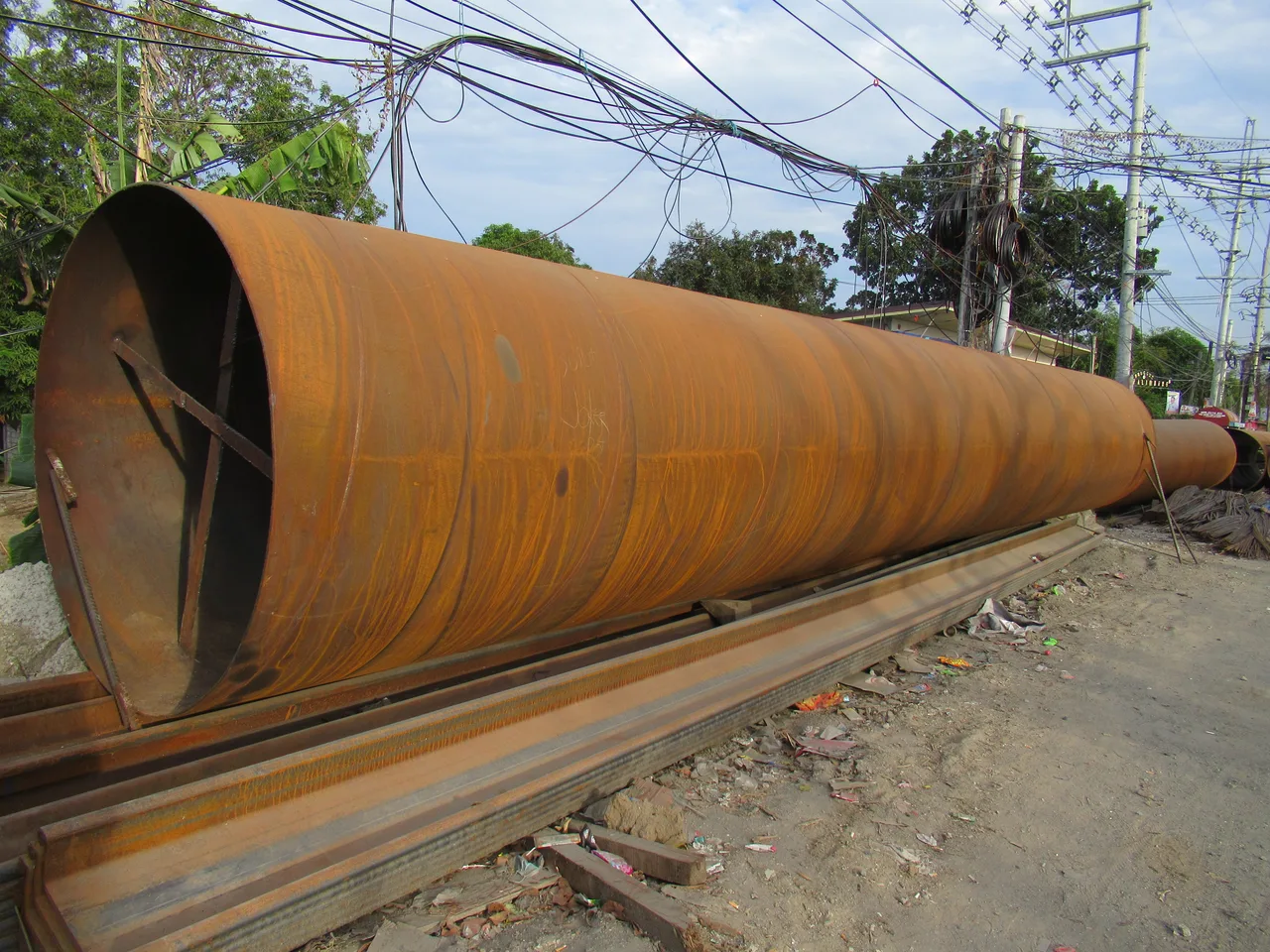
- Surface defects — cracks, laps, folds, or excessive rust
- Marking mismatch — pipe markings must match MTC exactly
- Incorrect heat number — cross-reference with the MTC
Common Scams and How to Avoid Them
The “Too Good to Be True” Price
If a supplier quotes 20%+ below the market average, something is wrong. Common tactics:
- Substituting lower-grade material (e.g., shipping Q235 instead of 20# steel)
- Delivering short lengths or underweight bundles
- Providing forged or outdated MTCs
- Adding hidden charges after deposit payment
Payment Scams
- Never pay 100% upfront to an unknown supplier
- Standard terms: 30% deposit via T/T, 70% against B/L copy
- For first orders, consider using Alibaba Trade Assurance or an escrow service
- L/C (Letter of Credit) provides the strongest buyer protection for large orders
Documentation Fraud
- Request MTCs with verifiable heat numbers
- Cross-reference chemical composition ranges with the standard
- Ask for the mill’s official stamp and authorized signatory
- For critical orders, request that the inspection company verify MTC directly with the mill
RFQ Best Practices
A well-structured Request for Quotation (RFQ) gets you faster, more accurate responses:
Include:
- Standard and grade (e.g., API 5L PSL2 X52)
- Exact dimensions (OD × WT × Length)
- Quantity in metric tons
- End finish (plain, beveled, threaded)
- Certification requirement (EN 10204 3.1 / 3.2)
- Destination port and preferred Incoterm
- Delivery timeline
- Any special requirements (NACE, sour service, etc.)
Avoid:
- Vague descriptions like “good quality steel pipe”
- Asking for “best price” without specifying requirements
- Sharing your budget upfront (let suppliers quote first)
Payment Terms and Risk Management
| Payment Method | Risk Level | Best For |
|---|---|---|
| Alibaba Trade Assurance | Low | First orders under $50,000 |
| 30% T/T deposit + 70% against B/L | Medium | Standard orders |
| Irrevocable L/C | Low | Orders above $100,000 |
| 100% T/T in advance | High | Only with established, verified suppliers |
| D/P (Documents against Payment) | Medium-High | Trusted long-term partners |
Key tip: Always retain 5–10% of the order value as a quality holdback, payable 30–60 days after receipt and inspection at destination.
Your First Order: Practical Tips
- Start small — a trial order of 20–50 tons verifies quality, communication, and logistics before committing to larger volumes
- Order from stock — stock pipe from trading companies ships in 7–15 days; mill orders take 30–60 days
- Request samples — a short pipe sample (300–500mm) costs little and confirms material quality
- Use a freight forwarder experienced in steel — they handle port logistics, customs, and documentation
- Inspect at origin — it’s far cheaper to reject defective pipe in China than at your destination port
Summary Checklist
Use this checklist before every order from China:
- Supplier verified (business license, ISO, product certs)
- Factory visited or third-party audit completed
- RFQ sent with complete specification
- Multiple quotes compared on like-for-like basis
- Sample received and tested (if new supplier)
- Contract signed with clear quality, delivery, and penalty terms
- Payment terms agreed (30/70 T/T or L/C)
- Third-party inspection arranged (for critical orders)
- MTC verified against actual shipment
- Packing and marking confirmed
- Shipping arranged with experienced forwarder
- Quality holdback retained until destination inspection
Buying seamless steel pipe from China rewards preparation. The time you invest in supplier verification, specification clarity, and quality assurance pays dividends in consistent supply, competitive pricing, and peace of mind.