How to Import Steel Pipes from China: A Step-by-Step Guide for Buyers
China is the world’s largest exporter of seamless steel pipe, and buying directly from mills and trading companies can deliver significant cost savings. Done properly, importing from China is straightforward. This guide walks through the eight steps from specification to clearance.
Step 1: Define the Specification Completely
A vague inquiry produces a vague quotation. Before contacting suppliers, write down:
- Standard (API 5L, ASTM A106, EN 10216-2, GB/T 8163, etc.) and grade
- Outer diameter and wall thickness (actual values, not just NPS)
- Length — random, fixed, or double random
- End preparation — plain, beveled, threaded, or threaded-and-coupled
- Quantity in meters or metric tons
- Coating or surface requirements
- Certification level — EN 10204 3.1 or 3.2
- Destination port and required Incoterm
The more complete this list, the faster and more accurate your quotations will be.
Step 2: Vet Suppliers Before You Buy
Not all suppliers are equal. A practical vetting checklist:
- Confirm the supplier is a mill or a trading company (and if a trader, which mill they supply from)
- Ask for ISO 9001 and relevant product certificates (API, CE/PED, etc.)
- Request recent mill test certificates and shipping records
- Check export history and references from your market
- For significant orders, arrange a factory audit or use a third-party inspection company
Step 3: Get Quotes and Compare Like for Like
Send the same specification to several suppliers and compare:
- Price structure — per metric ton, FOB or CIF, and what is included (inspection, packing, marking)
- MOQ — minimum order quantity in metric tons
- Lead time — from deposit to shipment readiness
- Payment terms — typically 30% T/T deposit and 70% against the bill of lading copy, or an L/C
- Certification package — what documents are included at no extra cost
Beware of quotes that are dramatically below the market — they usually signal downgraded material, missing certification, or later “extras.”
Step 4: Start with a Trial Order
For a new supplier, a small trial order is the lowest-cost way to verify quality, paperwork, packing, and communication. Use the trial to confirm the mill test certificate is genuine, the chemistry matches, and the packing survives transit.
Step 5: Sign a Clear Contract
A written sales contract should specify:
- Exact standard, grade, size, and quantity with tolerances
- Quality requirements and the right to third-party inspection
- Delivery date and penalty for delay
- Payment schedule and documents required for balance payment
- Packing requirements (hexagonal bundles, end caps, seaworthy wrapping)
- Dispute resolution clause
Step 6: Production and Inspection
Once production is scheduled:
- Ask for in-process photos or videos, especially heat treatment and testing stages
- Arrange third-party inspection (SGS, BV, TÜV) before shipment for critical orders
- Verify the MTC (EN 10204 3.1/3.2) against the actual shipment and, if possible, the mill’s records
- Confirm marking on the pipe matches the certificates (grade, heat number, size)
Step 7: Shipping and Logistics
- Choose your Incoterm: EXW, FOB, CIF, CFR — and make sure packing and port handling responsibilities are clear
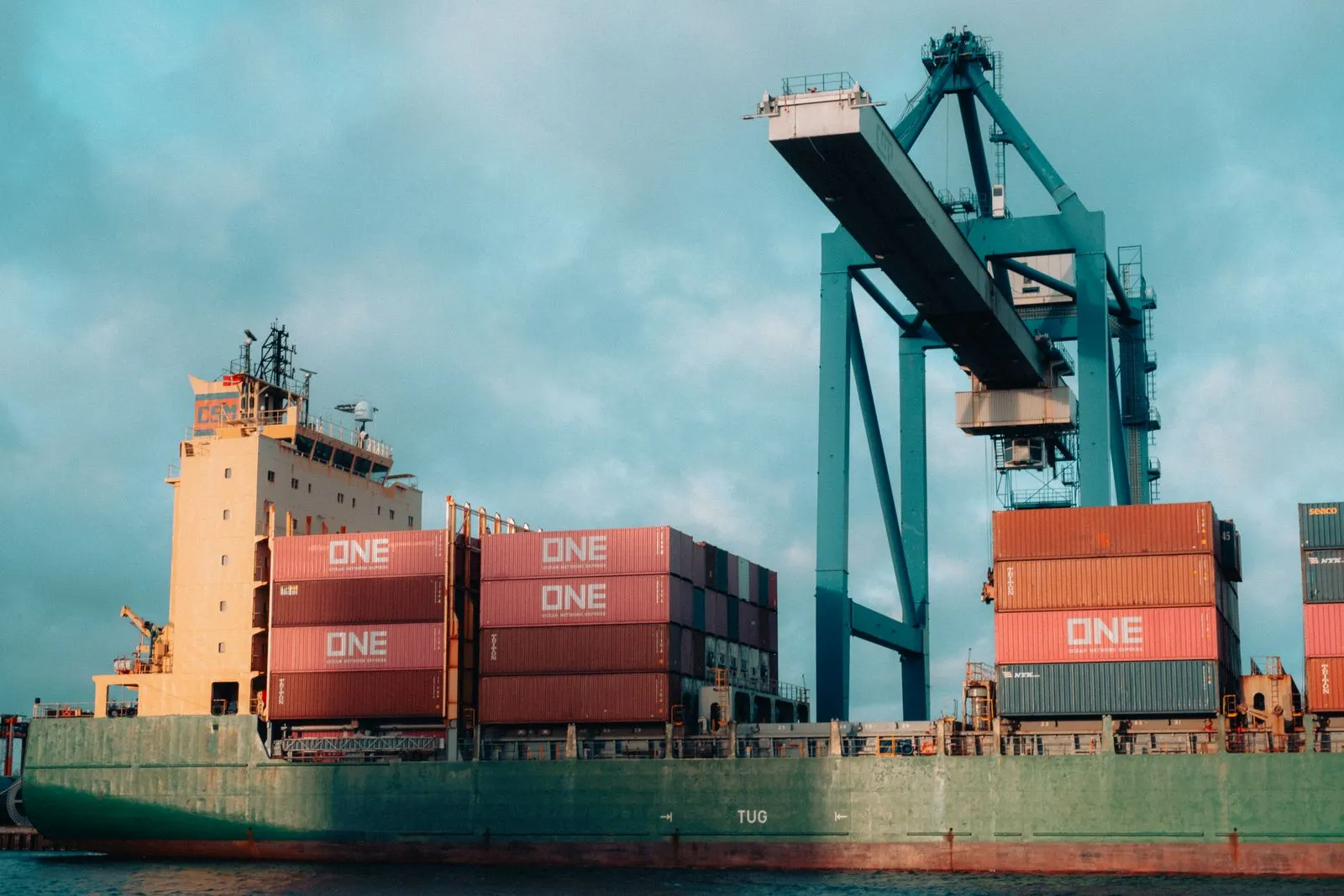
- Steel pipe ships as break bulk or in containers, depending on diameter and quantity
- Large pipes travel in bundles; small precision tubes often go in wooden or iron cases
- Some destinations require fumigation certificates for wooden packing
- Get insurance coverage for the cargo value
Step 8: Customs Clearance and Documents
Keep this document set ready for customs:
- Commercial invoice
- Packing list
- Bill of lading / air waybill
- Certificate of Origin (CO) — general or Form E (for ASEAN under the China-ASEAN FTA)
- Mill test certificates
- Insurance policy
- Your product’s HS code — used for duty calculation; have your customs broker confirm the correct classification
FAQ
What is the typical MOQ for seamless steel pipe from China? Most suppliers quote from around 20–25 metric tons per size, though smaller quantities are possible at a higher per-ton price.
What payment terms do Chinese suppliers accept? 30% T/T deposit with 70% against documents is standard for new customers; confirmed L/C is common for larger values. Never send 100% in advance to an unverified supplier.
How long is production and delivery? Stock sizes can ship within 2–3 weeks of payment; mill production runs typically take 4–8 weeks depending on grade and quantity, plus 2–4 weeks of ocean freight.
Can I order PSL2 or 3.2-certified material as a small buyer? Yes — but plan ahead. Sour-service and 3.2-inspected material has longer lead times and additional cost, so include it in your specification from the start.
Is buying through a trading company safe? Many reputable trading companies offer better service than mills for mixed or small orders. The key is verification: request the actual mill name and certificate, and consider third-party inspection.
Starting a China Sourcing Project?
Our export team handles the full chain — specification, certification, inspection, and shipping — for buyers in 80+ countries. Send us your requirements and receive a complete, itemized quotation within 24 hours.