How Seamless Steel Pipes Are Made: From Billet to Finished Tube
Knowing how seamless pipe is made helps buyers judge quality and lead time. Here is the process from raw steel to the finished pipe sitting in the export warehouse.
1. Raw Material
Everything starts with a continuous cast round billet. The steel is smelted in an electric arc furnace, refined, and continuously cast. Chemical composition is adjusted to meet the target grade before casting. Good raw material is the foundation of good pipe.
2. Heating
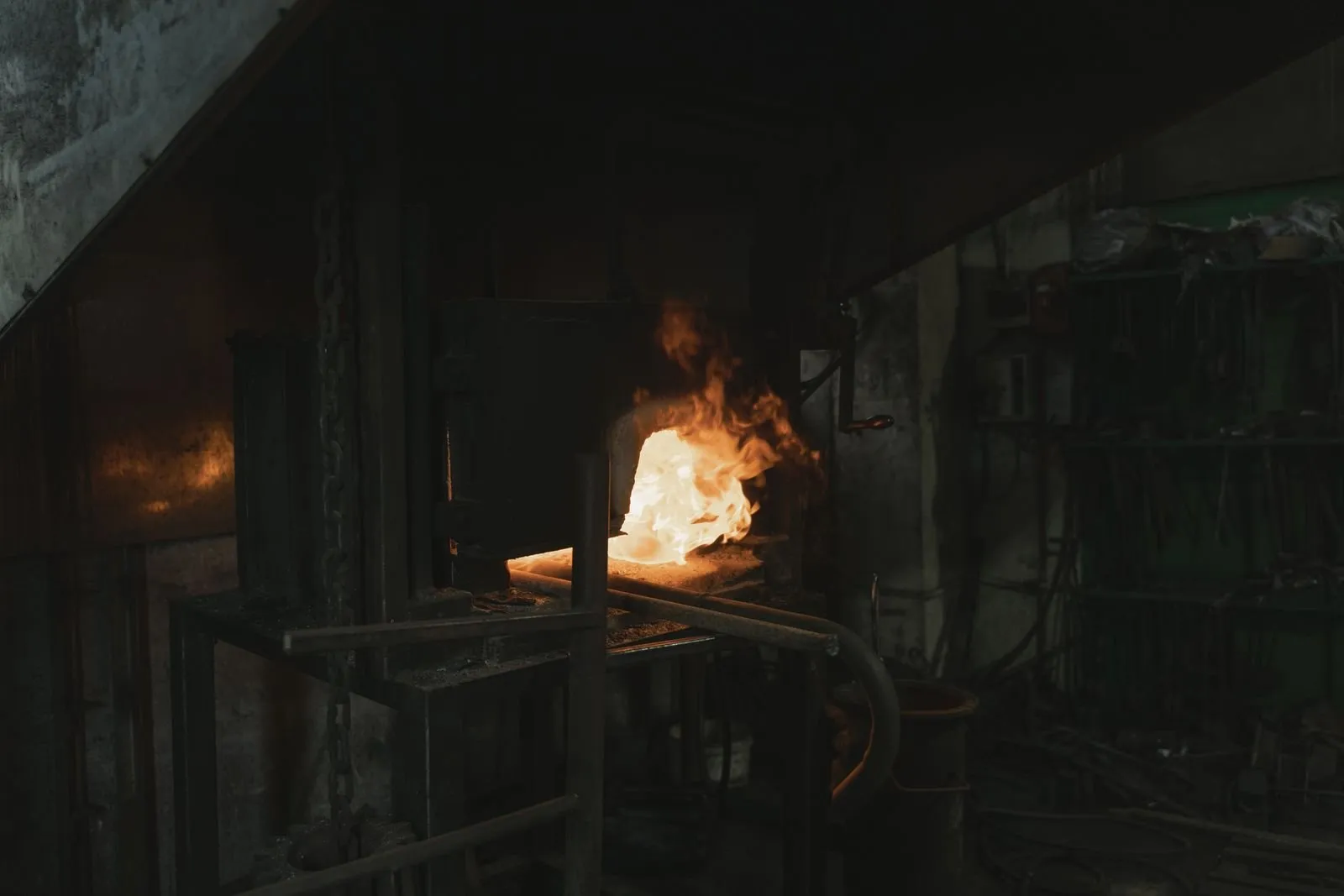
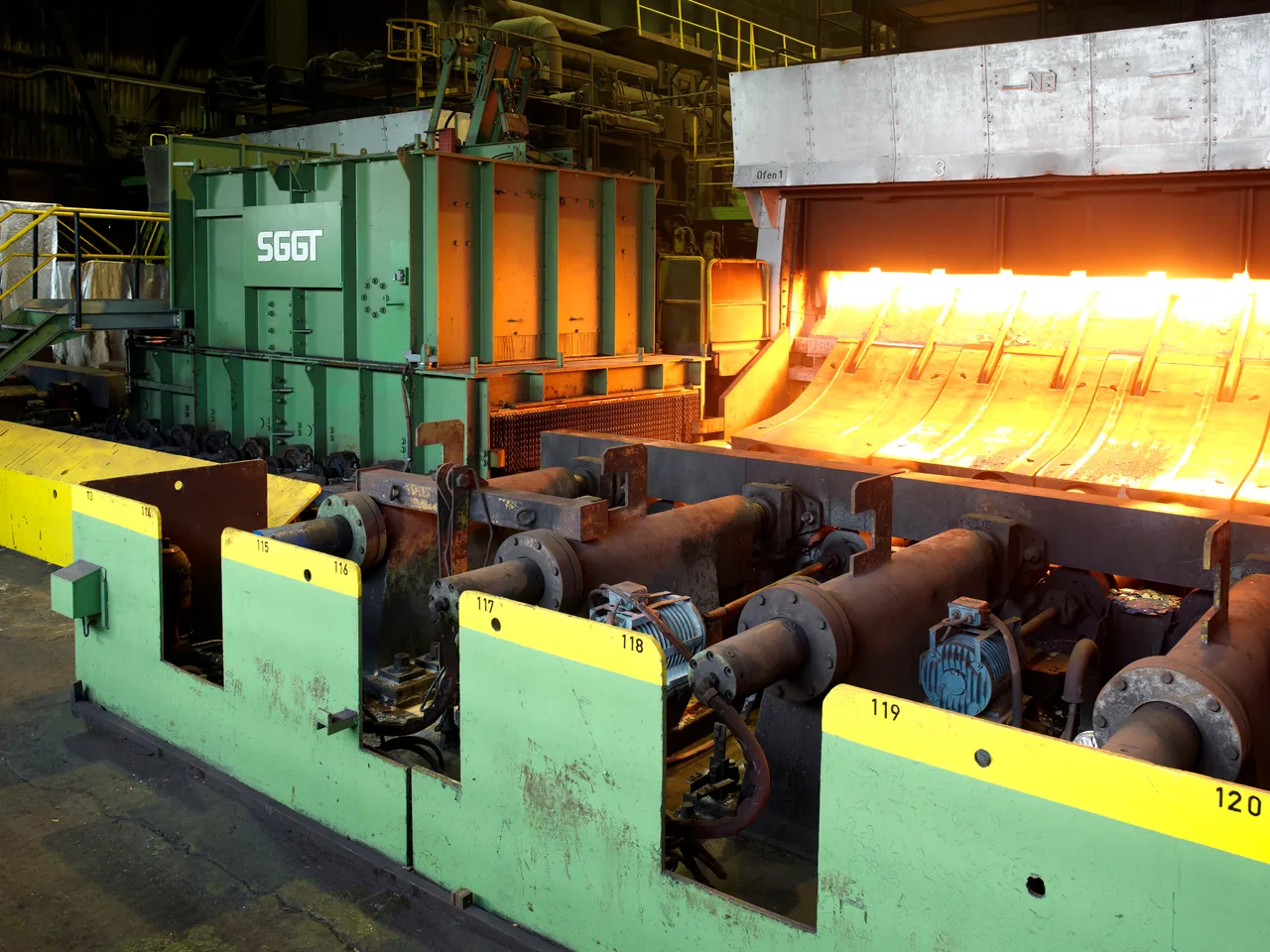
Billets are charged into a rotary hearth furnace and heated to a uniform rolling temperature of about 1200°C. Even heating is critical — uneven temperature causes defects in the next steps.
3. Piercing
The hot billet is fed through a piercing mill (Mannesmann process) where two rollers rotate the billet while a stationary piercer point pushes through the center, creating a hollow shell. This is the step that makes a seamless pipe seamless.
4. Elongation and Rolling
The pierced shell goes through:
- Plug mill or mandrel mill — elongates the shell and reduces wall thickness
- Stretch-reducing mill (SRM) — reduces the outside diameter to final size
- Sizing mill — refines the final diameter precisely
5. Heat Treatment
Depending on the grade and standard, pipes are normalized or quenched and tempered to achieve the required mechanical properties — yield strength, tensile strength and toughness.
6. Straightening
Roller straighteners remove any curvature so the pipe meets straightness tolerances.
7. Finishing and Inspection
The pipe is then cut to length, and the ends are prepared (plain, beveled or threaded). Every pipe passes a series of inspections:
- Hydrostatic pressure test
- Ultrasonic testing (UT) for wall integrity
- Dimensional checks — OD, WT, length
- Chemical and mechanical tests per heat
- Visual and surface inspection
8. Marking and Packaging
Each pipe is stamped or sprayed with heat number, grade and specifications, then packed for sea freight — usually in hexagonal bundles with steel strapping, protected against rust and moisture.
Why Process Matters for Buyers
A supplier with controlled process steps can guarantee:
- Consistent wall thickness and concentricity
- Reliable mechanical properties heat after heat
- Full traceability from billet to delivery
- Accurate documentation for customs and end-users
At Xbang Supply, we manage production and inspection in line with API, ASTM, DIN, EN and GB standards, and arrange third-party inspection when your project requires it.